
Can schools help preserve a city’s heritage?
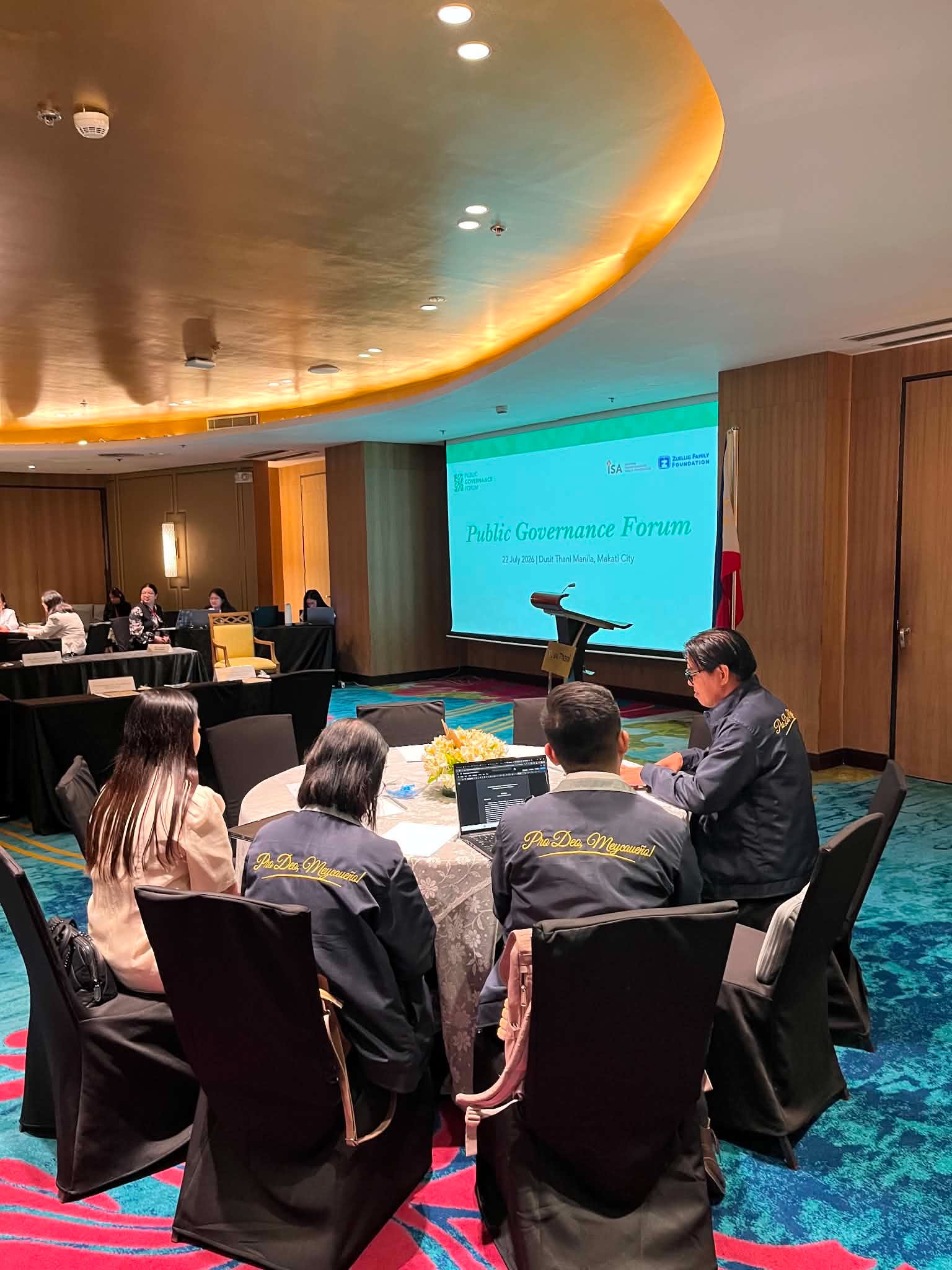
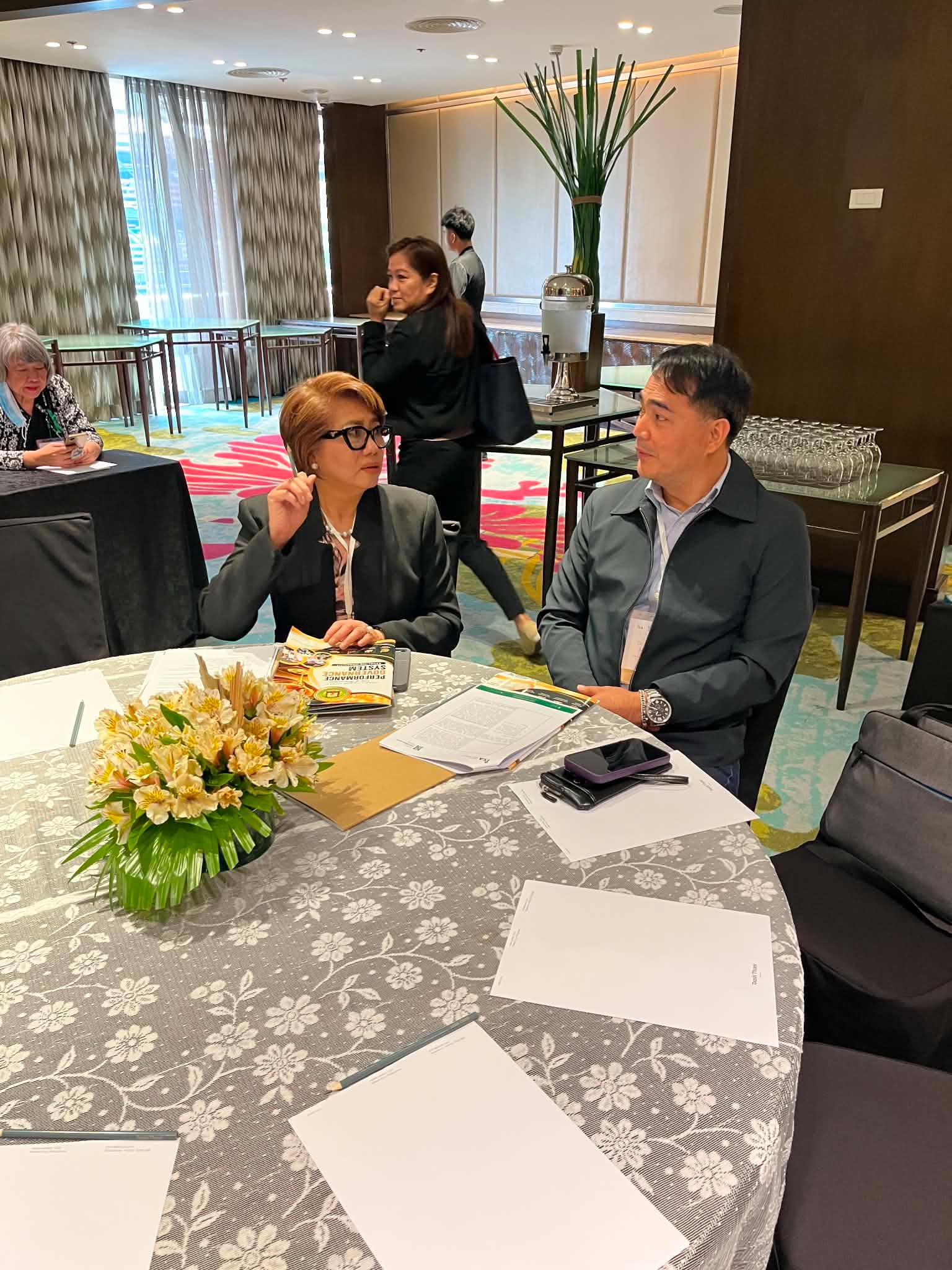
On 22 July 2026, I had the privilege of sitting on the Revalida Panel during the Public Governance Forum of the Institute for Solidarity in Asia (ISA) held at Dusit Thani Manila in Makati City.

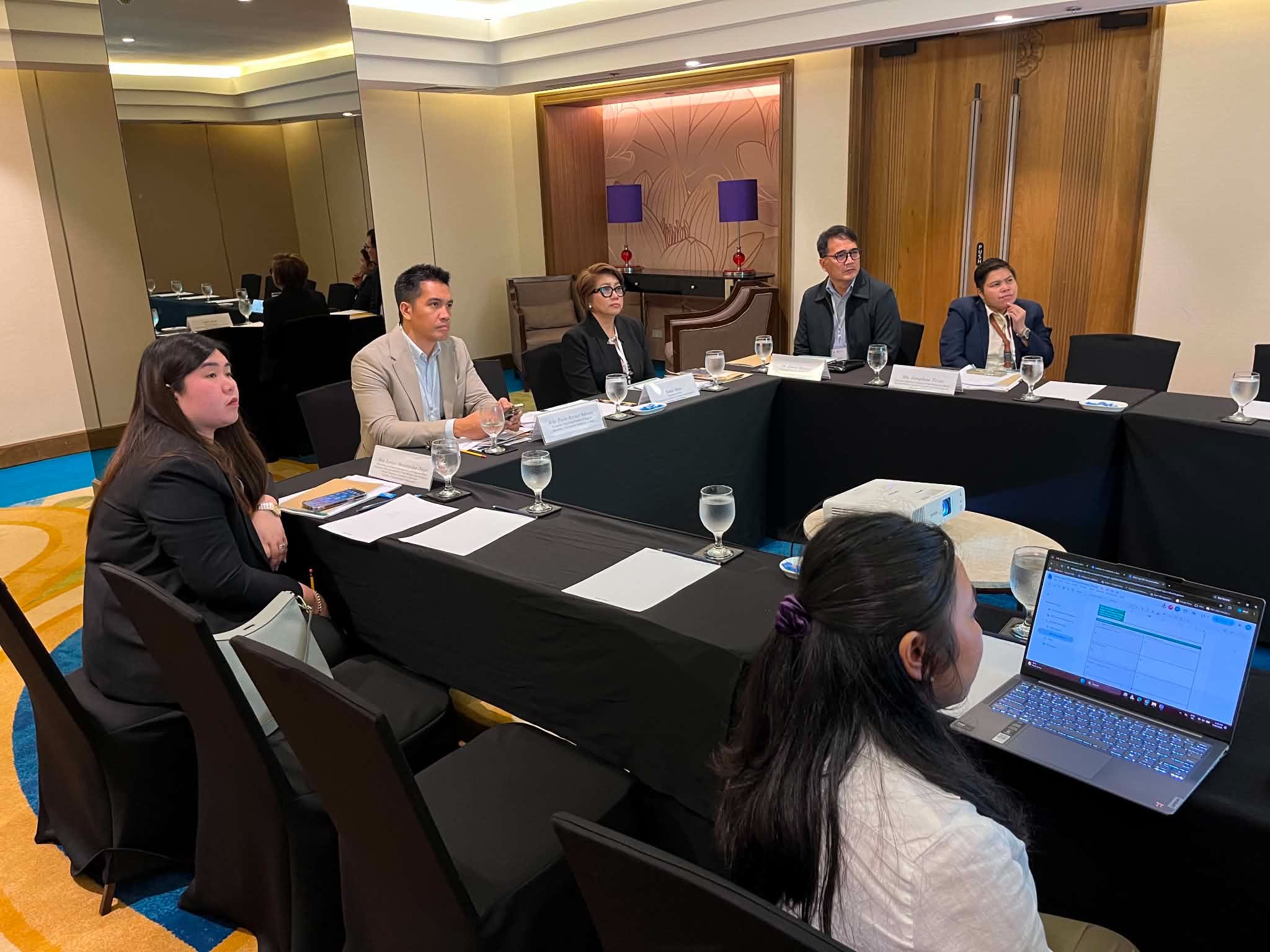
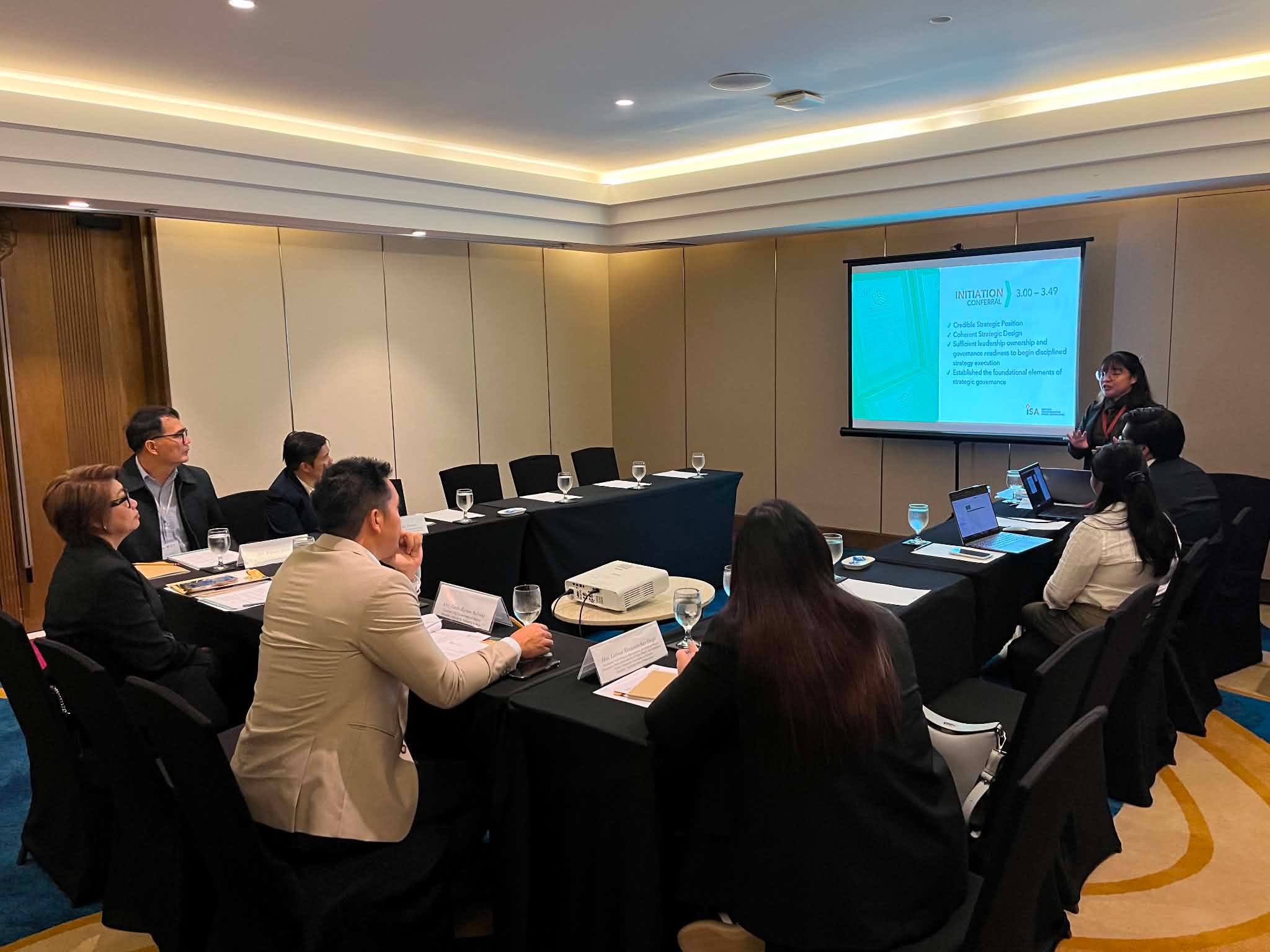
Joining me were Baguio City Councilor Atty. Paolo Raynor E. Salvosa, Dr. Edwin T. Marcos of DepEd III, UP Prof. Maria Josephine Teves, and Meycauayan City Councilor Atty. Larissa Abracero-San Diego as we evaluated the strategic governance framework presented by the Department of Education Schools Division Office (SDO) of Meycauayan City, led by Schools Division Superintendent Dr. Merlina Cruz.
I approached the Revalida from two complementary perspectives: first, as an ISA Associate tasked with assessing whether the Division had established a credible governance framework under the Performance Governance System (PGS) 2.0; and second, as a solutions journalism practitioner. At CLTV36, we have consciously embraced Solutions Journalism as an editorial philosophy—one that goes beyond reporting problems to examining credible, evidence-informed responses to public challenges while remaining equally candid about their limitations. It was through these two lenses that I listened to the presentation.
By the end of the Public Revalida, the panel unanimously conferred upon the Division its Initiated Status under PGS 2.0 and the Gold Trailblazer Award. These recognitions, however, should not be misconstrued as proof that the Division has already transformed educational outcomes or strengthened Meycauayan’s economy.
An organization at the Initiation stage is evaluated not on results but on whether it has developed a coherent strategy, secured leadership ownership, established governance mechanisms, and demonstrated organizational readiness to translate vision into action. The award therefore recognizes the quality of the roadmap, not yet the success of the journey.
What stayed with me long after the presentations ended was not the award itself but a question that emerged from the strategy: Can a public school system become a partner in preserving the very industry that gave birth to a city’s identity?
For Meycauayan, the question is particularly compelling. For generations, the city has been synonymous with jewelry making. Its goldsmiths, designers, engravers, stone setters, and entrepreneurs have built not only a thriving local industry but also a cultural identity that distinguishes the city from many others in the country. Yet like many traditional industries, jewelry making now faces the realities of an aging workforce, changing technologies, shifting consumer preferences, and younger generations whose career aspirations are increasingly shaped by a rapidly evolving global economy.
What impressed me was that the Division’s strategy recognized that schools are not isolated institutions existing solely to produce graduates or prepare learners for standardized examinations. Schools are part of a broader ecosystem composed of families, local government, business, civil society, and the community’s cultural and economic life. If education is to remain relevant, it must also understand the aspirations and comparative strengths of the locality it serves.
In Meycauayan’s case, that means asking whether schools can help learners appreciate the city’s jewelry-making heritage while equipping them with the creativity, entrepreneurial mindset, technological skills, and innovative thinking needed to ensure that this heritage continues to evolve rather than disappear.
This is consistent with what educators around the world now describe as place-based education—an approach that connects learning to the history, culture, economy, and environment of the community. It does not suggest that every child should become a jeweler. Rather, it recognizes that students learn more meaningfully when education is rooted in their own realities.
Mathematics can be taught through enterprise and costing, science through metallurgy and materials, art through jewelry design, and entrepreneurship through local businesses that have survived and prospered across generations. Such an approach prepares young people not only for employment but also for responsible citizenship within the communities they call home.
From a Solutions Journalism perspective, this is precisely the kind of response that deserves public attention. It addresses a clearly defined challenge—the growing disconnect between education and local development—and proposes a thoughtful response grounded in the community’s own assets and identity. At the same time, Solutions Journalism demands intellectual honesty. It requires us to ask not only whether a proposed response is promising but also whether it ultimately delivers measurable results.
At this point, there is simply no evidence yet that the strategy will improve learner achievement, strengthen the jewelry industry, or generate broader economic benefits. Those answers will emerge only through disciplined implementation, sustained partnerships, continuous monitoring, and transparent evaluation over the coming years.
Perhaps that is the most valuable lesson I carried home from the Public Governance Forum. Good governance is not about making grand promises. It is about building institutions capable of pursuing long-term goals with discipline, accountability, and collaboration. The Public Revalida is not the finish line; it is the starting point.
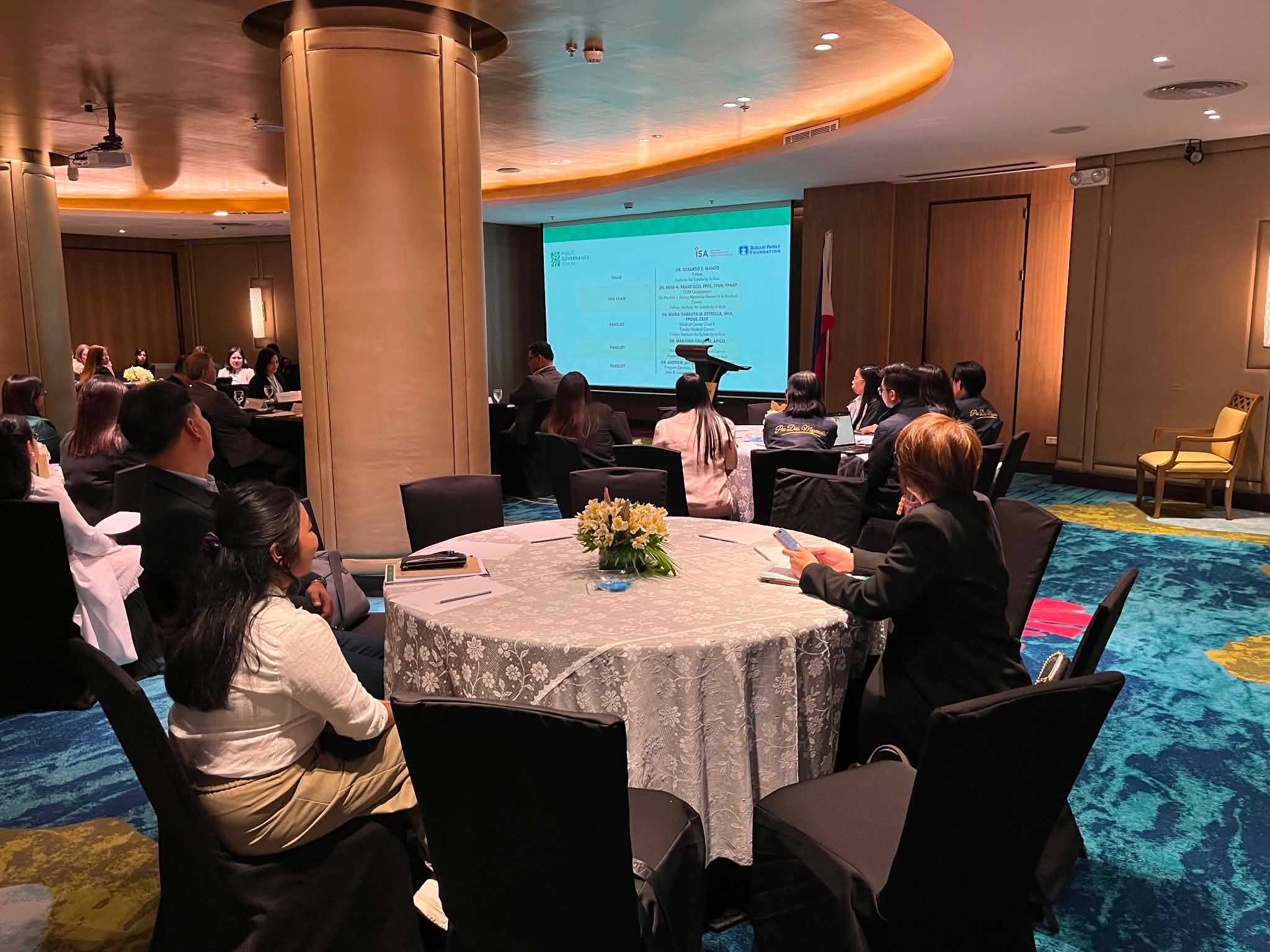
The Gold Trailblazer Award reflects confidence in the quality of SDO Meycauayan’s strategic thinking and governance framework, but the more difficult task now begins. Strategies ultimately earn credibility not because they are well written or well presented, but because they produce better lives for the people they are meant to serve.
So to speak, the real story is not that SDO Meycauayan received an award. The real story is whether it can demonstrate that a public school system, working hand in hand with local government, industry, and the community, can help preserve a city’s heritage while preparing its young people for the future. If that vision succeeds, Meycauayan will have contributed something far more valuable than another recognition—it will have offered a model that other communities may one day choose to follow.
As I left the Public Governance Forum that afternoon, I realized that the most important question was no longer whether SDO Meycauayan deserved the Gold Trailblazer Award. The more important question is whether, in the years ahead, its strategy will inspire a new way of thinking about public education—one where schools do not simply educate children, but also help shape the future of the communities they serve. That, to me, is a story worth following.
###
