

The BNPP Is a Monument to Risk, And Our Resolve to Keep It Shut Must Stand
I was there in June 1985.
Forty-one years have passed since the historic Welgang Bayan Laban sa Plantang Nukleyar, but the memories remain vivid. This is not merely a retelling of history. It is the testimony of someone who marched alongside thousands of Bataeños and fellow Filipinos who believed that protecting life was more important than accepting unnecessary risk.
From June 18 to 20, 1985, the people of Bataan did something extraordinary. An entire province chose to stand still—and the rest of Luzon stood with them.
We called it the Welgang Bayan Laban sa Plantang Nukleyar. Public transport stopped, factory doors closed, and thousands took to the roads. But this was never merely a local protest. Activists, church workers, students, labor groups, and ordinary citizens came from Manila, Central Luzon, and Southern Tagalog to stand in solidarity with the people of Bataan.

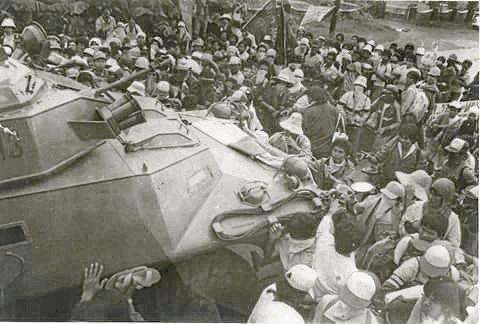
(Photo from Minimal Government Thinkers)
As a young activist working with Maita Gomez and our network in WOMB (Women for the Ouster of Marcos and Boycott), I stood shoulder-to-shoulder with farmers, fishermen, factory workers, and families who had all reached the same conclusion: the Bataan Nuclear Power Plant posed risks we could not simply ignore.
Our focus during those rallies was urgent and deeply human. We spoke about the impact of radiation on women and children. We explained the dangers that a nuclear accident could bring to reproductive health and future generations. Drawing lessons from Hiroshima, Nagasaki, and the Three Mile Island incident, we reminded mothers and fathers that this was not an abstract scientific debate. It was about protecting life itself.
We were guided by a collective instinct for survival. The plant had been built under a dictatorship, financed by massive foreign debt, and surrounded by questions about safety, governance, and accountability.

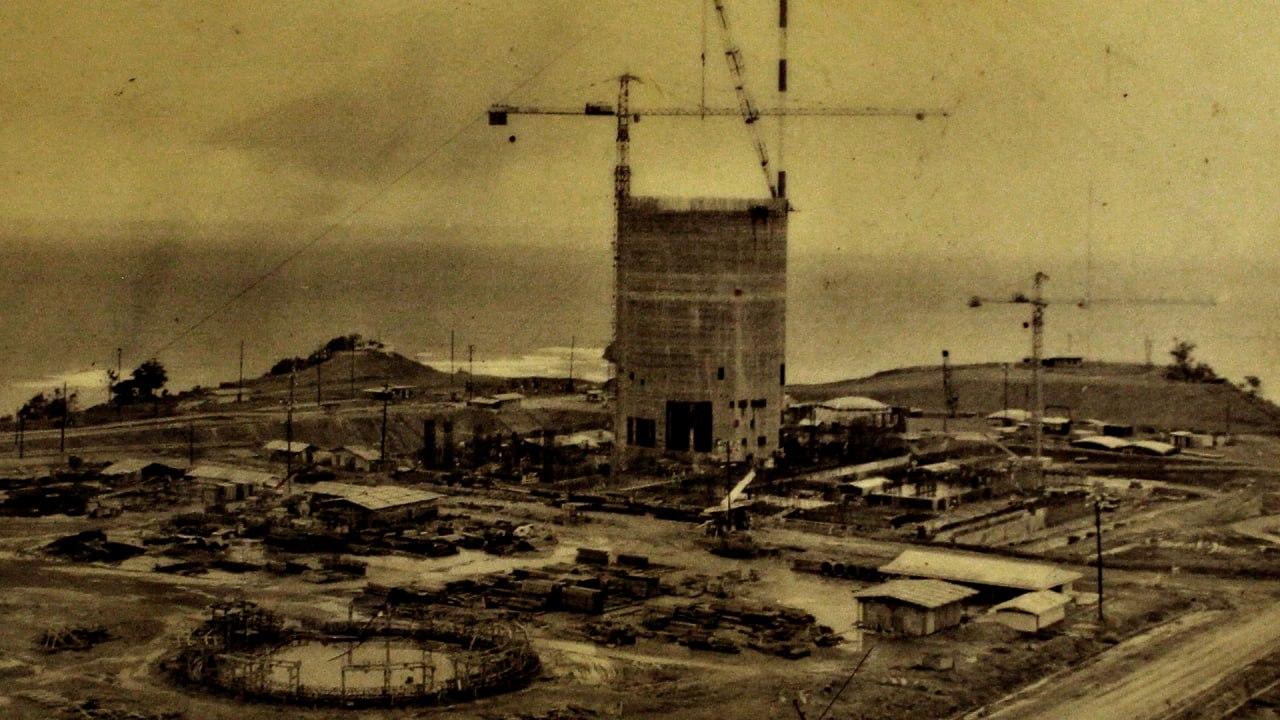
(Photo from Bataan Nuclear Power Plant via BusinessWorld)
History soon took dramatic turns. Less than a year later, the Marcos regime collapsed. In April 1986, the world witnessed the catastrophe at Chernobyl, where fears long raised by anti-nuclear advocates became a tragic reality for thousands of families. The Aquino administration eventually mothballed the BNPP, and it has remained dormant ever since.
Yet every few years, proposals emerge to revive the facility, presenting it as a quick solution to the country’s energy problems. Supporters see an idle asset.
When I look at the dome in Morong, I do not see a solution. I see a monument to a narrow escape.
What I remember most from those three days in June 1985 was not the heat or the noise. It was the extraordinary resolve of ordinary people to protect life at all costs. We did not bring an entire province to a standstill merely to delay a bad idea. We did it because we believed it had to be stopped.

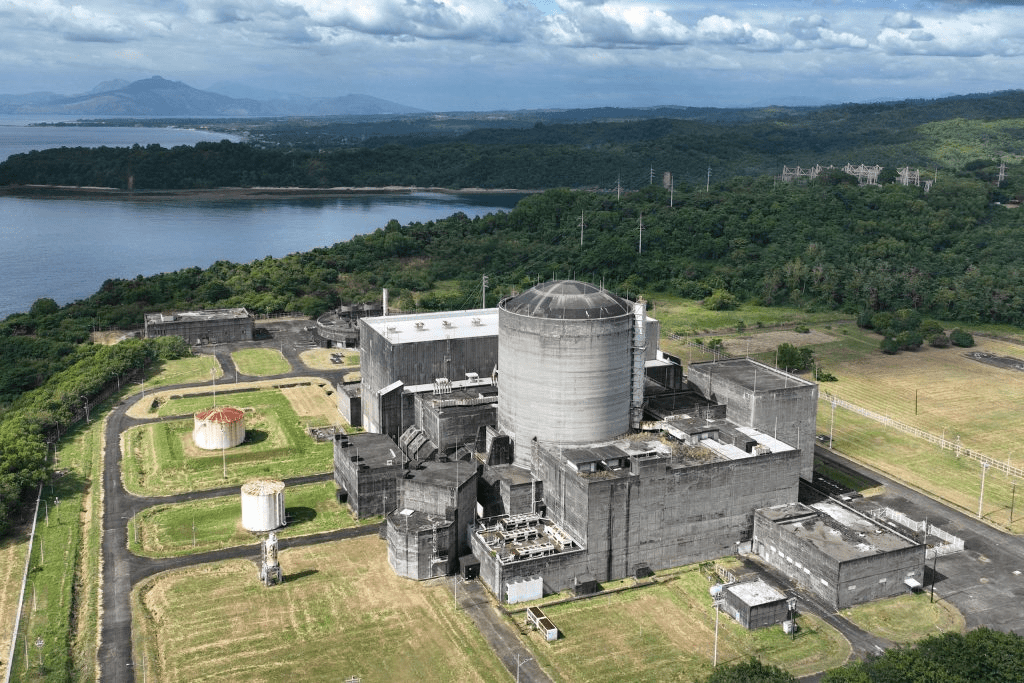
(Photo from Dialogue Earth)
Forty-one years later, that resolve should not waver.
The BNPP was a dangerous gamble in 1985, and for many of us who marched then, it remains a dangerous gamble today. Our responsibility to future generations—the very children we sought to protect before they were even born—is to ensure that the empty dome in Bataan remains what it has become: a silent reminder of a risk we refused to take and a victory won by the collective will of a united people.
I was there in 1985. I remain on the same side today.
###