

Pinatubo @ 35: Resilience Is Not Enough


Over the years, one word has become almost automatic whenever disasters strike: resilience.
Whenever communities survive calamities, people immediately praise them for being resilient. The word has become so common that we seldom stop to ask what it really means.


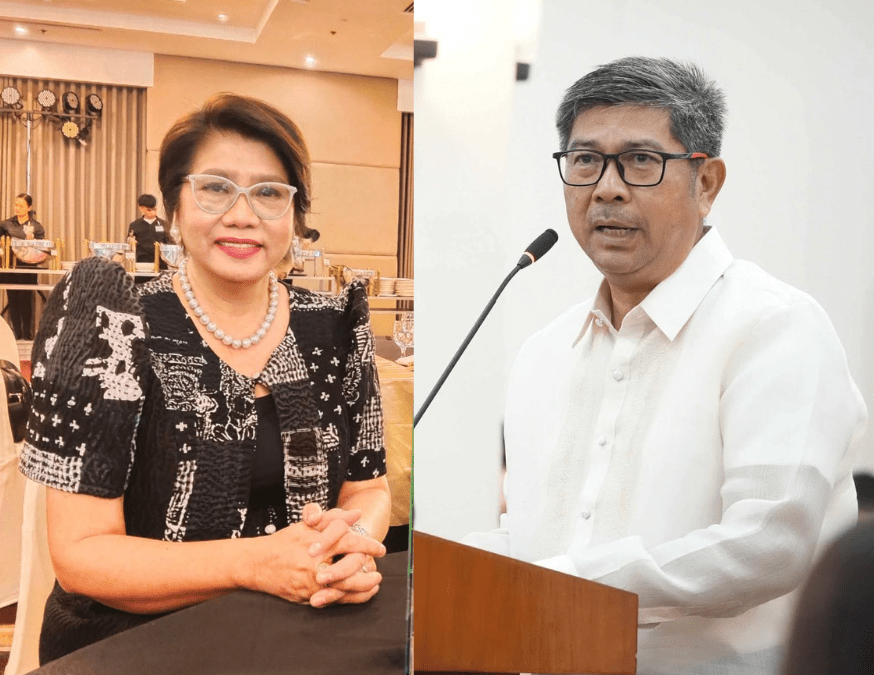
During my recent conversation with former Bacolor Mayor and former Pampanga Third District Board Member Atty. Ananias “Jun” Canlas on So To Speak, I was struck by one important insight. The story of Bacolor, he said, cannot be explained by resilience alone.
I agree.
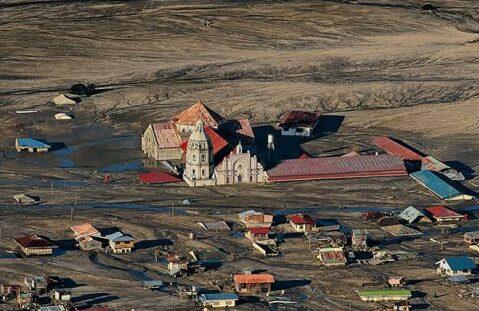
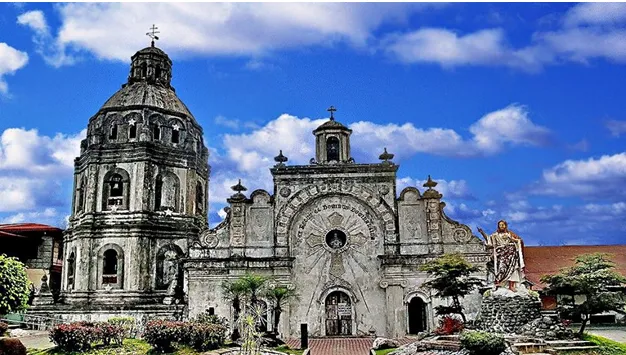
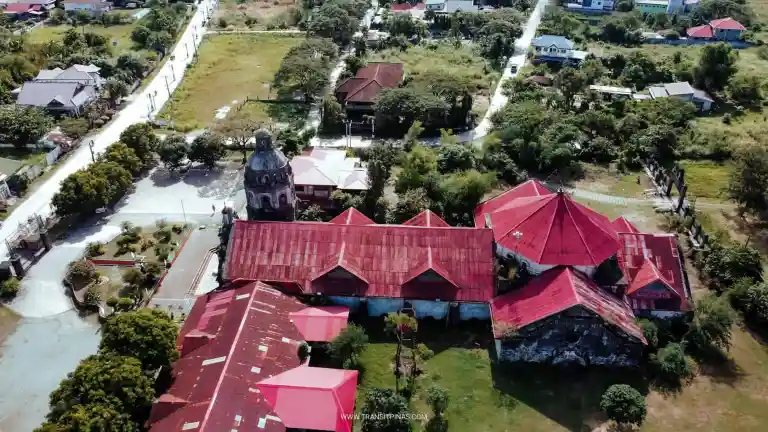
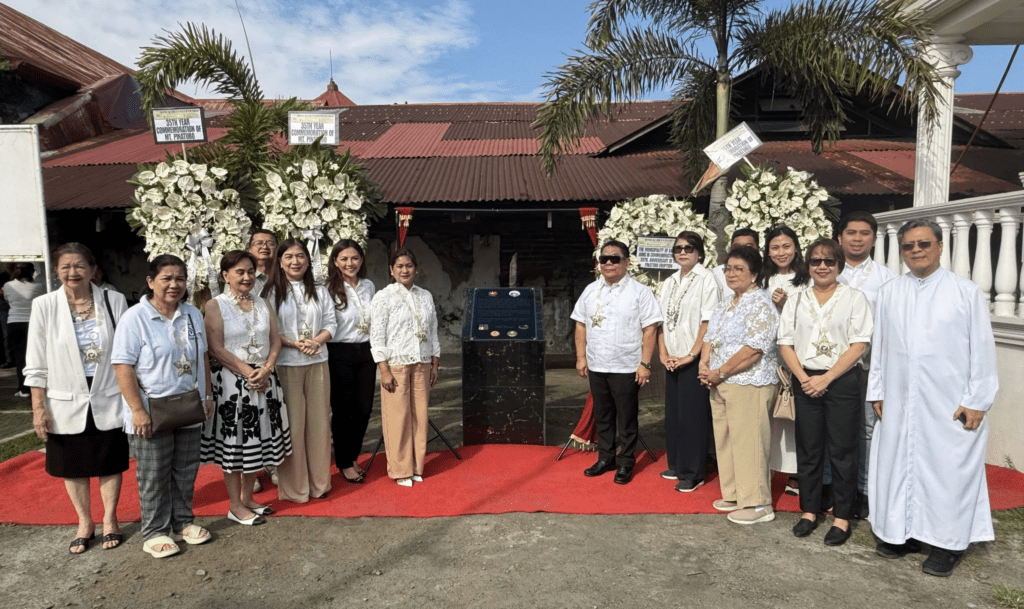
Thirty-five years after Mount Pinatubo erupted, many people still marvel at how Bacolor managed to survive. They see the restored communities, the thriving town, and the famous San Guillermo Church that has become a symbol of hope and endurance.
But those of us who lived through those years know that recovery did not happen because people simply endured suffering.


Recovery happened because people acted.
There is a danger in romanticizing resilience. Sometimes, calling people resilient becomes a convenient excuse for society and government to expect them to bear hardships indefinitely. We celebrate their strength while forgetting to ask why they had to suffer so much in the first place.
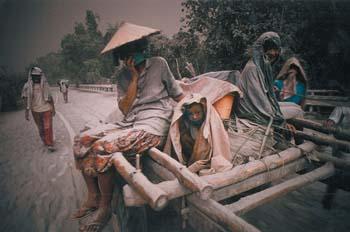
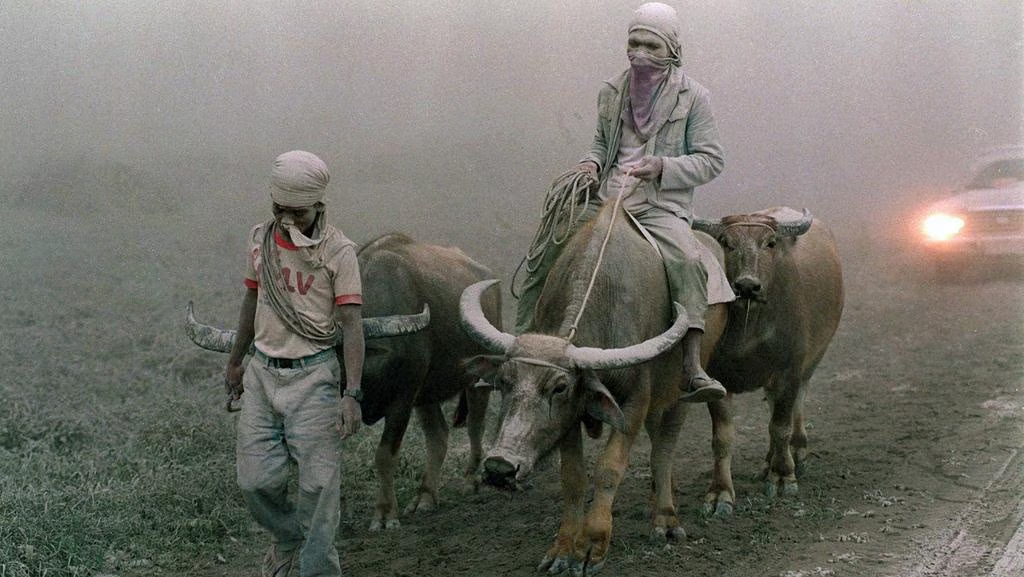
The people of Bacolor did not simply accept their fate. They organized. They questioned policies. They demanded assistance. They protested when necessary. They insisted that rehabilitation should focus not only on dikes and engineering structures but also on the dignity and welfare of displaced families.
As Atty. Jun Canlas recalled, Bacolor’s resilience was forged through struggle. It was born out of countless meetings, difficult decisions, protest actions, and collective sacrifices. It was strengthened by communities that refused to disappear and by ordinary citizens who believed that their town was worth saving.

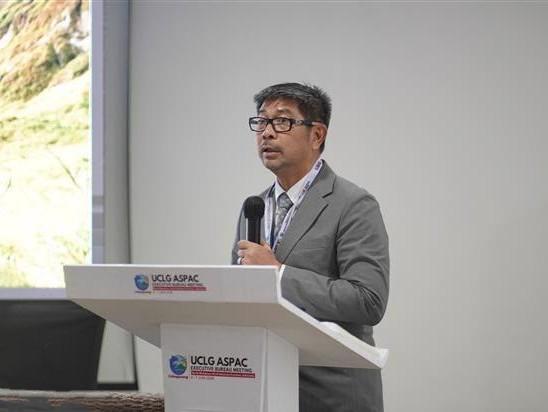
I remember many of those days vividly. I was not yet in the media back then. I was an activist. Like many others, I joined efforts to organize communities and amplify the voices of displaced families. We saw firsthand the frustrations, fears, and uncertainties inside evacuation centers. We also witnessed how hope could be restored when people discovered that they were not alone.

Perhaps this is the lesson that Bacolor offers to future generations.
Resilience is important, but resilience by itself is not enough.
Communities need compassion. They need responsive institutions. They need leaders who listen. They need citizens who participate. Most of all, they need people who are willing to stand with one another in difficult times.


The story of Bacolor was never about passive endurance.
It was about collective action.
And perhaps that is why, thirty-five years later, Bacolor remains not only a surviving town, but a living testimony to the power of people who refused to surrender.
##
About the Author
Sonia P. Soto is a broadcaster, producer-writer, and civic leader born and raised in Bacolor, Pampanga. A descendant of Kapampangan literary icon Juan Crisostomo “Crissot” Soto, she was a young activist who stood alongside her cabalen during the devastation of Mount Pinatubo and the long struggle for rehabilitation and recovery.
She led CLTV36 as its President and General Manager from 2007 to 2024 and currently hosts So To Speak. She continues to advocate participatory governance, women’s empowerment, and the preservation of Kapampangan history and culture.